Plastic surgery is a broad medical specialty that includes both reconstructive and cosmetic procedures. While cosmetic surgery focuses on changing or improving particular aspects of appearance, reconstructive procedures may be performed to restore form or function after injury, congenital conditions, previous surgery, burns, or other medical concerns.
For people considering a Plastic Surgeon in Pune, understanding the purpose of treatment is an important first step. A consultation does not automatically mean proceeding with surgery. It provides an opportunity to understand the concern, discuss realistic possibilities, and determine whether surgical or non-surgical management may be appropriate.
Cosmetic and Reconstructive Procedures Are Different
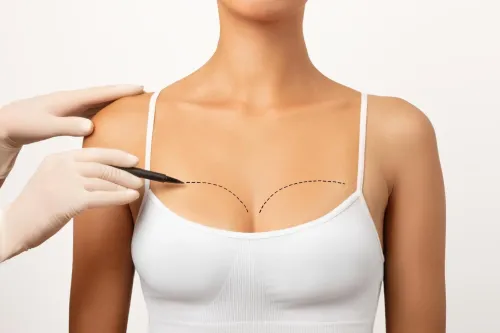
Cosmetic procedures are generally chosen to address aesthetic concerns. These may involve the nose, face, breasts, abdomen, chest, or areas with localized fat deposits.
Reconstructive plastic surgery can have a different objective. It may be considered for:
- Scars following injuries or operations
- Congenital abnormalities
- Certain post-traumatic deformities
- Tissue defects
- Functional problems associated with physical structures
- Reconstruction following selected medical procedures
The appropriate treatment depends on the individual condition rather than the name of a procedure alone.
What Happens During a Plastic Surgery Consultation?
A surgeon usually begins by understanding what bothers the patient and what change they expect. Medical history is also important because existing health conditions, medications, previous surgeries, smoking, allergies, and healing problems can affect treatment planning.
Depending on the concern, examination may include skin quality, tissue distribution, facial or body proportions, asymmetry, scars, and other anatomical factors.
The surgeon can then explain:
- Whether the requested procedure is suitable
- What alternatives may exist
- Where scars may be positioned
- The type of anaesthesia that may be required
- Expected recovery considerations
- Potential limitations and risks
This discussion helps patients make decisions based on medical information rather than photographs or social-media trends.
Why Individual Assessment Matters
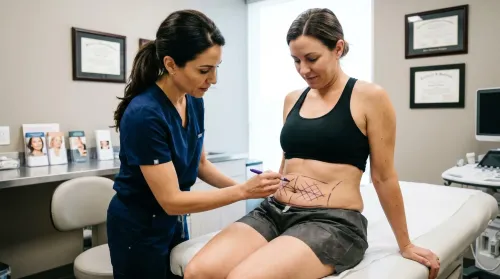
Two people requesting the same procedure may require very different approaches. For example, someone concerned about abdominal appearance may primarily have excess fat, loose skin, muscle separation, or a combination of these factors. Liposuction and tummy tuck surgery therefore cannot simply be treated as interchangeable options.
The same principle applies to facial and breast procedures.
People in Pune, Maharashtra, also need to consider practical recovery requirements. Time away from work, transportation after surgery, assistance at home, follow-up appointments, and restrictions on exercise can influence when a procedure should be scheduled.
Making an Informed Decision
Plastic surgery should begin with a clearly defined concern and realistic expectations. Patients benefit from understanding what a procedure can reasonably change as well as what it cannot.
A detailed consultation with a qualified plastic surgeon allows anatomy, health, expectations, possible risks, recovery, and treatment alternatives to be considered together. Taking time to understand these factors can make the decision considerably more informed and personally appropriate.
Keywords