Plastic Surgery in Pune encompasses considerably more than procedures performed purely for appearance. The specialty includes cosmetic surgery as well as reconstructive techniques intended to restore or improve form and, in selected circumstances, function.
Understanding these categories can help patients identify what type of consultation may be appropriate for their concern.
What Is Cosmetic Plastic Surgery?
Cosmetic surgery is generally elective and focuses on altering a feature or body area according to an individual's aesthetic goals.
Common areas of interest include:
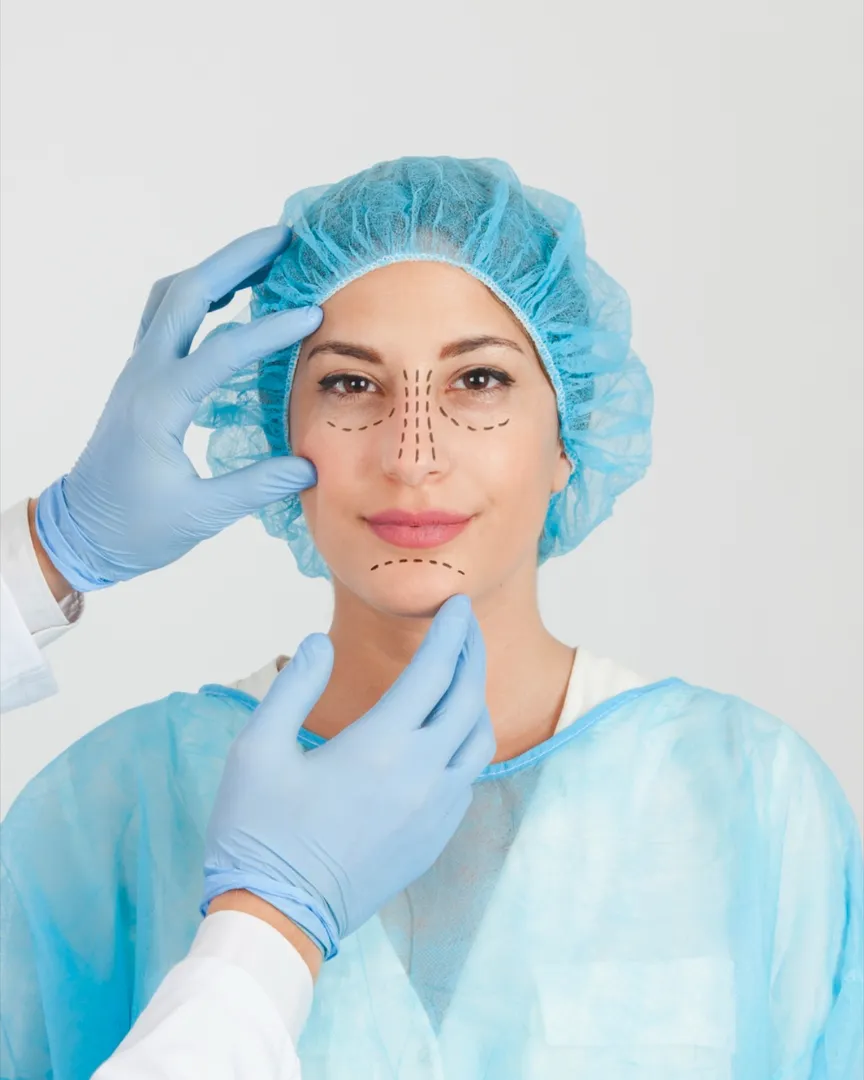
- Nose reshaping
- Facial ageing
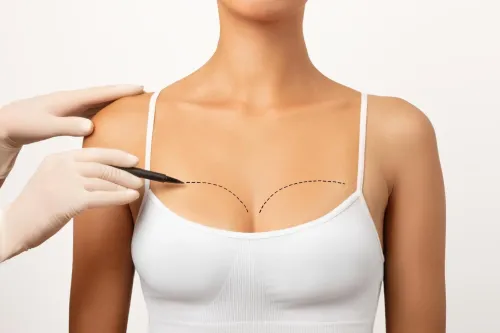
- Breast size or shape
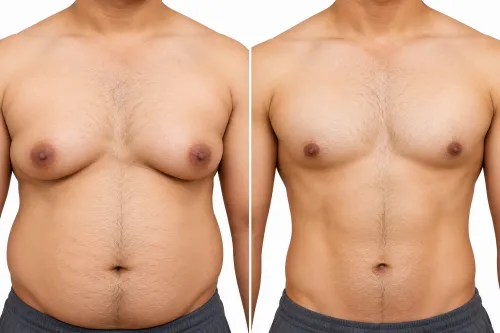
- Male chest enlargement
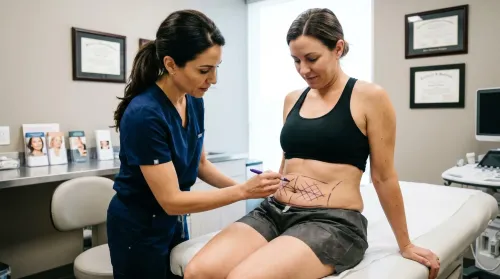
- Abdominal skin and contour
- Localized fat deposits
- Body proportions
Procedures such as rhinoplasty, facelift, breast augmentation, liposuction, tummy tuck, and gynecomastia surgery fall within this broader area.
However, wanting an aesthetic change does not necessarily mean surgery is the only or most suitable option. Anatomy and expectations need to be assessed first.
What Is Reconstructive Surgery?
Reconstructive surgery addresses structural concerns that may arise from congenital conditions, trauma, burns, previous surgery, disease treatment, or tissue loss.
The goals vary considerably. Treatment may focus on restoring tissue coverage, reducing deformity, improving symmetry, revising scars, or addressing functional limitations.
Because reconstructive concerns can be complex, treatment may occasionally involve staged procedures rather than a single operation.
How Is the Appropriate Procedure Selected?
A procedure name should not determine treatment before assessment.
Consider abdominal contouring as an example. Three people unhappy with their abdomen could have different underlying concerns:
- Predominantly localized fat
- Significant loose skin
- Loose skin combined with abdominal muscle separation
Liposuction primarily targets selected fat deposits and does not provide the same correction as removal of substantial excess skin. A tummy tuck addresses different anatomical issues and also involves a different scar and recovery.
Similar distinctions apply to facial, breast, and nose surgery.
Surgery Requires Medical Planning
Even elective cosmetic surgery remains surgery. Preoperative planning may involve medical history review, examination, medication assessment, investigations where indicated, anaesthesia planning, and instructions for preparation.
Smoking and nicotine use, certain medications, uncontrolled medical conditions, and other factors can affect healing or surgical risk. Patients should disclose these details accurately rather than withholding them because they fear their procedure may be postponed.
Recovery Is Part of Treatment
People living and working in Pune and elsewhere in Maharashtra should consider recovery logistics before selecting a surgery date.
Depending on the operation, patients may temporarily need help with household activities, avoid strenuous exercise, wear compression garments, sleep in a particular position, or attend several follow-ups.
Recovery timelines also differ between procedures and individuals.
Plastic surgery is most appropriately approached as a medical decision rather than simply an aesthetic purchase. Understanding the indication, alternatives, limitations, risks, and recovery requirements gives patients a clearer foundation for deciding whether a procedure aligns with their goals.
Keywords